- divyakshi
- September 4, 2026
- Uncategorized
- 0 Comments
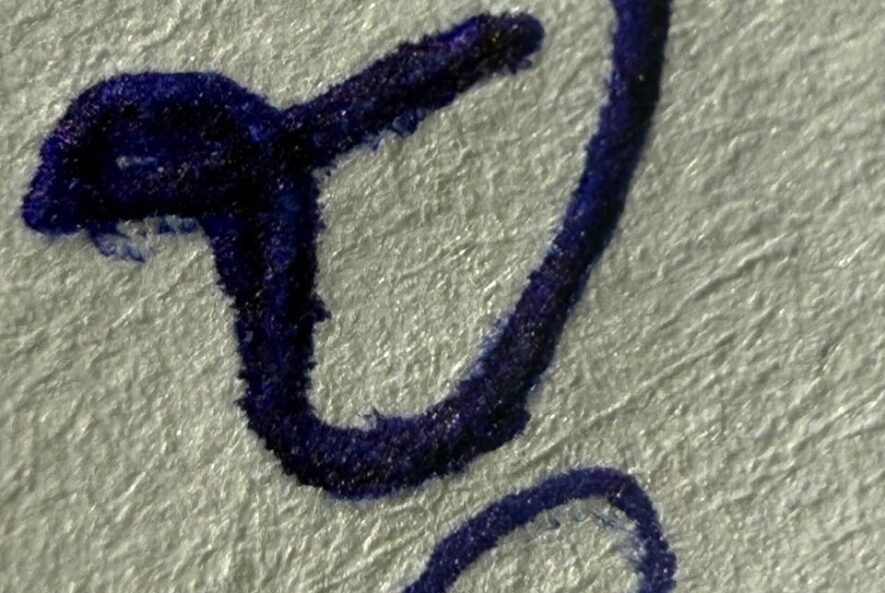
“Handwriting was once called the fingerprint of the mind — but what happens when a machine learns to mimic the mind itself?”
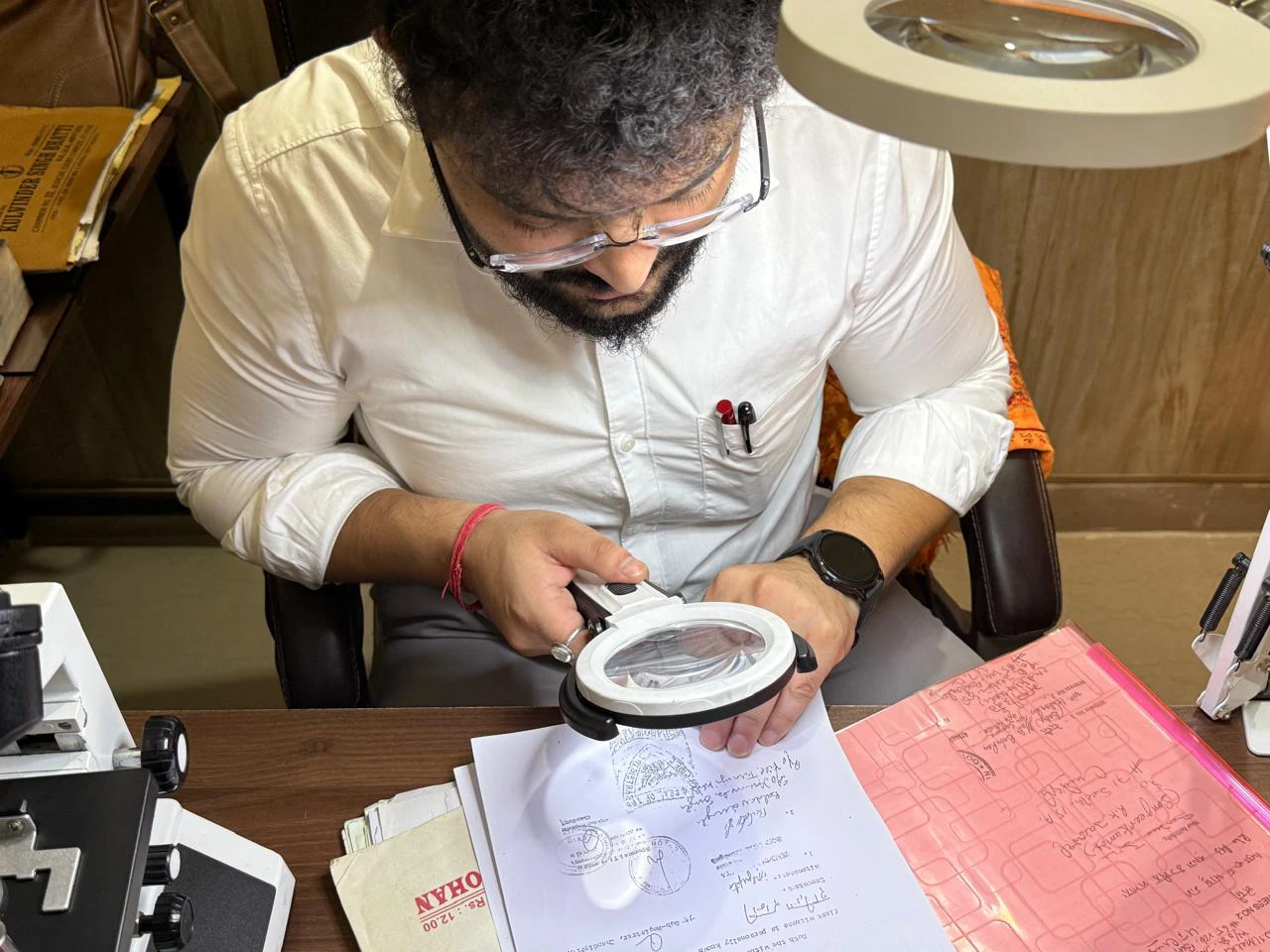
For more than a century, forensic handwriting analysis has been based on the premise that no two individuals write identically and that no forger can perfectly reproduce another person’s natural handwriting when subjected to detailed scrutiny. However, this foundational assumption is now being challenged by artificial intelligence rather than by human forgers.
How AI Learns to “Write”
Machine learning algorithms, especially a particular kind referred to as Generative Adversarial Networks (GANs), have the capability of studying samples of an individual’s handwriting and creating new text that is consistent with their handwriting, which includes the angle at which they write, how they space out words, or the way they loop particular letters. With enough samples of an individual’s handwriting, a machine learning algorithm can create new handwritten text.
It is not science fiction. Scientists have already made AI that writes fake sentences with believable handwriting. There are even products on the market now for legitimate uses; one such product can be used to make handwriting fonts based on your own handwriting that you can use to print out personalized greeting cards. This same technology can cause serious problems when used incorrectly.
Why This Worries Forensic Experts
Classic forgery detection involves looking out for various markers that can help spot the fake, such as hesitation marks, unnaturally lifted pens, inconsistent pressure, or the natural penmanship styles of the forger themselves getting mixed in with the imitation. In the case of a human forger, regardless of skill, there will always be these kinds of markers due to their deliberate attempt at mimicking another person’s handwriting style. An AI forger, on the other hand, is fundamentally different. It does not “hesitate” or become nervous. It does not use its muscle memory and penmanship skills in creating fake handwriting.
Is It Actually a Real Threat Yet?
Currently, most AI handwriting generation tools are built with visual realism in mind — convincing enough to fool someone with just a glance, although certainly not designed to outwit forensic techniques such as ink analysis, data from pen pressure on digital writing surfaces, or even micro-level inspection of writing strokes.
Having said that, it’s rapidly shrinking. With improvements to the models and the availability of biomechanical data (pen pressure and stroke speed on tablets, for example), the difference between “looks similar” and “is forensically identical” might become hard to distinguish.
How Forensic Science Is Responding
Fascinatingly, the AI technology itself, which causes the problems, is also used in solving these problems through the development of AI-based writer verification systems. These systems include machine learning algorithms that analyze inconsistencies imperceptible to human beings and statistics that betray synthesized handwriting.
There are studies underway at forensic laboratories on the use of multimodal verification of writing authenticity, in addition to handwriting analysis, including the use of metadata, biometrics of the digital pen, and document forensics (paper age and ink chemistry).
The Bigger Picture
This trend reflects the one already developing for deepfake images and voice cloning — technology created for the sake of creative or accessibility purposes holds the danger of dual use. Something that was long thought to be extremely personal and nearly impossible to fake — handwriting — may require the same consideration we afford to photographs and sound recordings.
Conclusion: The lesson here is not fear, but rather knowledge. With the development of AI text generators, forensic science must adapt and move from visual verification to technologically assisted verification.
“Every technology that can imitate trust must be met with one that can verify it.”