MOBILE FORENSIC & DATA RECOVERY EXAMINATION IN CHANDIGARH, PUNJAB AND HARYANA
When important information is stored on a mobile device, lost, deleted, inaccessible, or damaged data can become a significant concern in an investigation or legal matter. Mobile forensic data recovery helps identify and recover relevant digital information from mobile devices using appropriate forensic techniques while maintaining the integrity of the available evidence. At Clarivue Forensics Pvt. Ltd., we provide careful, evidence-focused recovery and examination of relevant mobile data, with clear documentation and findings to support our client’s investigative and legal requirements.
Mobile forensic data recovery is the scientific examination of mobile devices to identify, acquire, preserve, and analyze potentially relevant digital information.
Depending on the device, operating system, security configuration, condition of the device, available data, and applicable forensic methodology, an examination may involve the acquisition and analysis of information stored on the device or associated digital sources.
1
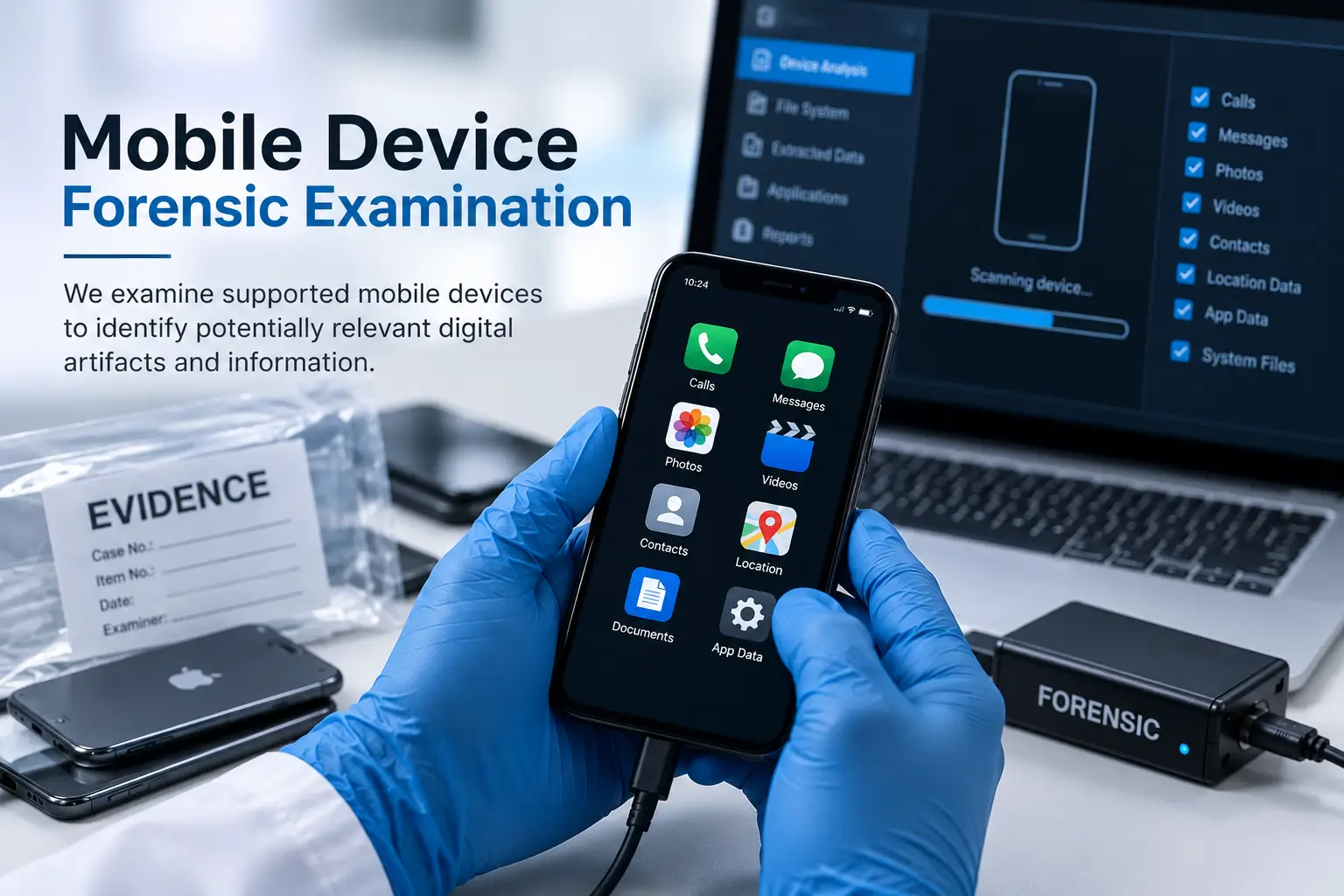
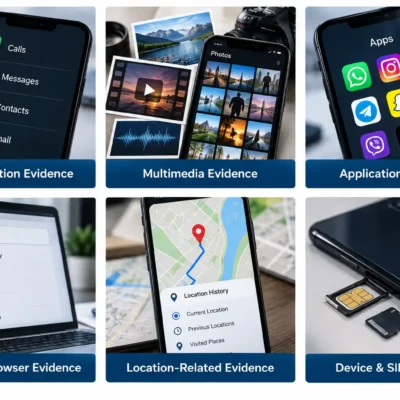
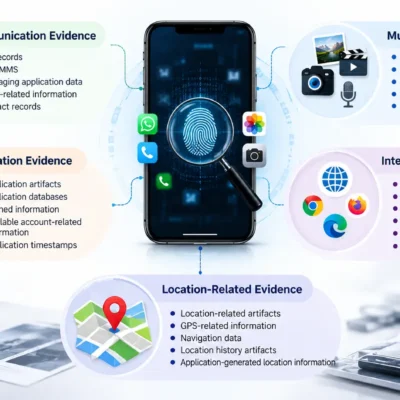
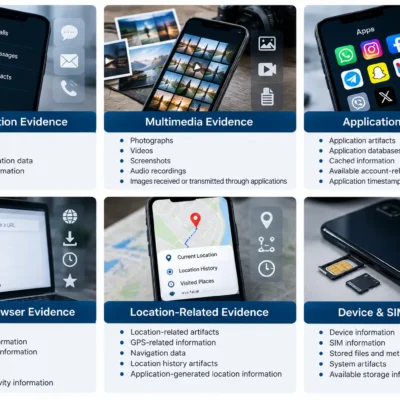
Mobile forensic data extraction involves obtaining available digital information from supported smartphones and mobile devices using appropriate forensic examination methods. Depending on the device and its condition, available data may include messages, call records, contacts, photographs, videos, application data, browser information, and other relevant digital records. The extracted information is preserved and organized for further forensic examination.
2
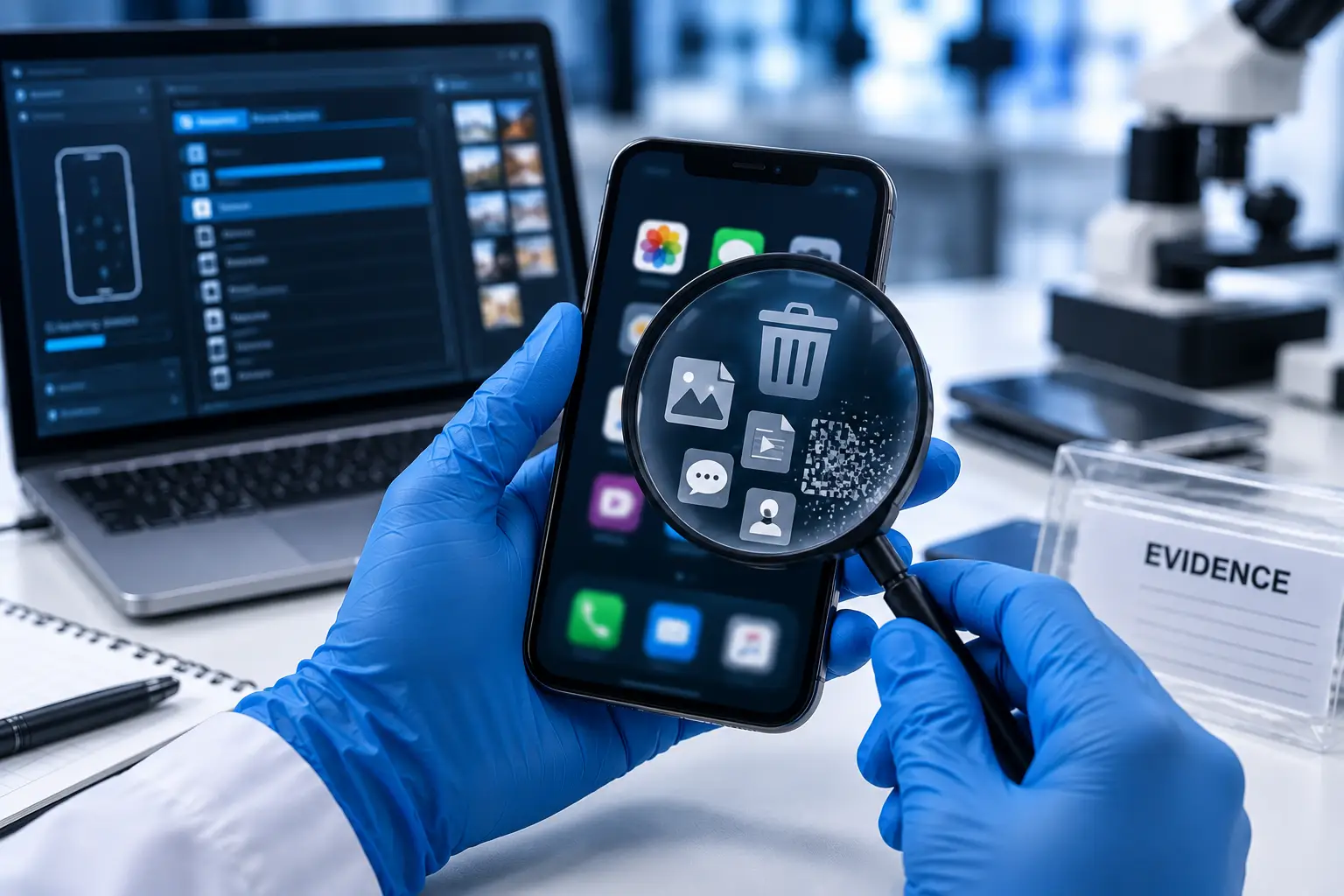
Deleted data recovery focuses on identifying and recovering relevant information that is no longer readily visible on a mobile device. Depending on the device, operating system, storage condition, and available data, certain deleted information may be recoverable. The recovered data can be examined and documented to determine its potential relevance to the case.
3
Deleted data recovery focuses on identifying and recovering relevant information that is no longer readily visible on a mobile device. Depending on the device, operating system, storage condition, and available data, certain deleted information may be recoverable. The recovered data can be examined and documented to determine its potential relevance to the case.
4
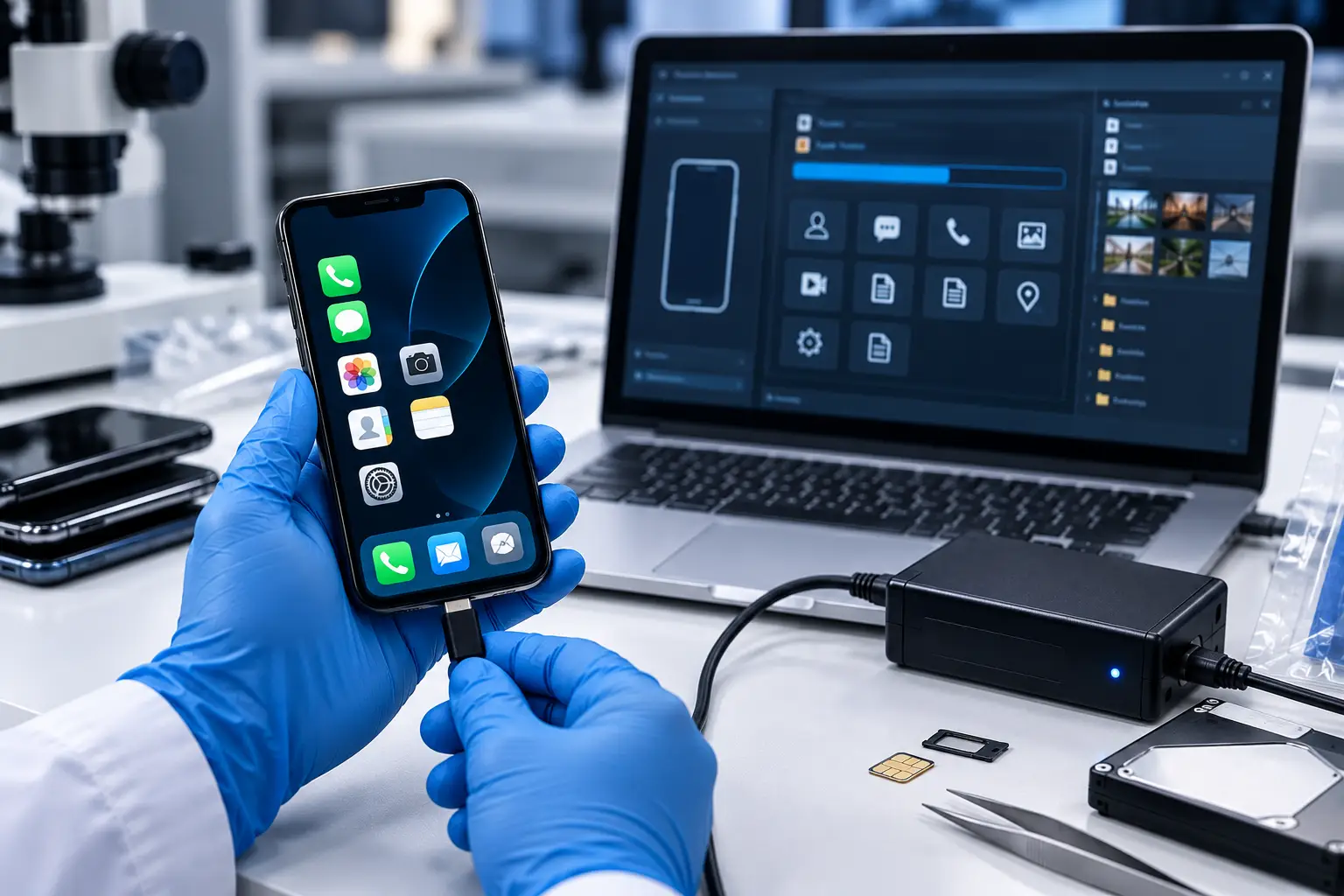
Mobile device imaging involves creating a forensic copy or image of available device data using appropriate forensic procedures. The purpose is to preserve the available digital information for examination while minimizing unnecessary interaction with the original evidence. Where technically feasible, the forensic copy can be used for detailed analysis and documentation.
5
Messaging applications can contain important conversations, attachments, media files, timestamps, and other communication related information. Examination may include available data from supported messaging platforms, subject to device accessibility and technical feasibility. Relevant conversations and associated information can be identified, organized, and documented for forensic assessment.
6
Call and contact information may help establish communication patterns and relationships between individuals. Examination can include available incoming and outgoing call records, contact information, timestamps, durations, and related data. The available information is reviewed and documented according to the requirements of the case.
7
Mobile devices often contain photographs, videos, audio files, screenshots, and other multimedia evidence. Forensic examination may involve recovering available multimedia files, reviewing their technical characteristics, and examining associated information such as timestamps and metadata where available. Relevant files can be organized and documented for further assessment.
8
Mobile applications can store information that may be relevant to an investigation, including user activity, communications, transactions, documents, media, and other records. Application data examination focuses on identifying and analyzing relevant information available from supported applications. The scope of examination depends on the application, device, operating system, and accessibility of the data.
9
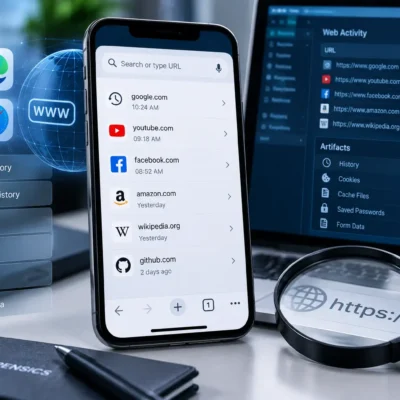
Browser and internet-related information can provide useful insight into digital activity performed through a mobile device. Examination may include available browsing history, search activity, downloaded files, website information, bookmarks, and other relevant browser data. The available information is analyzed and documented based on the requirements of the examination.
10
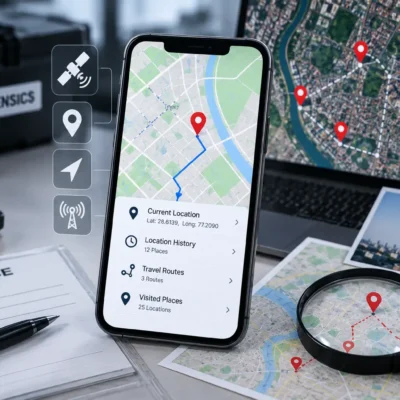
Location related information may assist in understanding the movement or activity associated with a mobile device. Where available, forensic examination may include GPS records, location history, application-based location information, and other relevant location data. Findings are assessed carefully because the availability and accuracy of location information can vary depending on the source and technical characteristics of the device.
11
SIM cards and memory cards may contain additional information relevant to a mobile forensic examination. Depending on the type and condition of the storage medium, examination may include available contacts, messages, files, photographs, videos, or other stored information. Appropriate forensic procedures are used to preserve and examine the available data.
12
Metadata can provide technical information associated with digital files and mobile-device data. Examination may include available details such as file dates, creation or modification information, file characteristics, device-related information, and other technical attributes. Metadata is assessed in context because its availability and reliability can vary depending on the application, device, and handling of the data.
13
Mobile device access examination involves assessing the available device and its accessible data where lawful authorization has been provided. The examination may consider device security, accessibility, operating system characteristics, and available forensic authorization, and the condition of the device.
14
Important mobile information may also be synchronized with supported cloud platforms or associated accounts. Where legally authorized and technically accessible, relevant cloud or synchronized data may be examined to identify information associated with the mobile device.
15
Mobile forensic data analysis involves systematically reviewing extracted and recovered information to identify data relevant to the investigation. Different categories of information may be examined together to identify relationships, communication patterns, timelines, activities, or other relevant observations. The analysis is conducted according to the available evidence and the specific requirements of the case.
16
A structured mobile forensic report documents the examination performed, relevant evidence examined, methods used, observations, findings, and applicable limitations. The report is prepared in a clear and organized manner to help clients, legal professionals, investigators, and other authorized stakeholders understand the results of the examination and the evidentiary information identified.
TypesofDigitalEvidenceWeMayExamine
Experienced Forensic Approach
Data Recovery Where Technically Feasible
Comprehensive Mobile Examination
Evidence Integrity and Preservation
Systematic Analysis
Mobile devices are examined using appropriate forensic procedures and established examination practices.
We attempt to recover deleted, inaccessible, or otherwise unavailable data depending on the device, operating system, condition, and available forensic access.
Examination may cover messages, calls, contacts, emails, photographs, videos, documents, application data, browser activity, and other relevant digital artifacts.
Available digital evidence is handled carefully to reduce the risk of unnecessary alteration or contamination.
Recovered and available data is reviewed in a structured manner to identify relevant information and digital evidence.
Findings are presented in a clear and organized forensic report that can assist investigations and legal proceedings.
Client information and digital evidence are handled with appropriate confidentiality and professional care.
Our services can support individuals, legal professionals, organizations, and authorized investigators requiring mobile forensic examination.
ServiceFAQ
What is mobile forensic data recovery?
Mobile forensic data recovery is the process of identifying, acquiring, preserving, and examining potentially relevant digital information from mobile devices using appropriate forensic methods and tools.
Can you recover permanently deleted mobile data?
Recovery of deleted data depends on several technical factors, including the device, operating system, storage technology, encryption, overwriting, application behavior, and the condition of the evidence. Recovery cannot be guaranteed before examination.
Can deleted WhatsApp messages be recovered?
Depending on the device, application version, available data, backups, encryption, and other technical circumstances, certain artifacts may be available for forensic examination. However, recovery of specific deleted messages cannot be guaranteed.
Can data be recovered from a damaged mobile phone?
Possibly. The feasibility depends on the type and extent of damage, device architecture, storage condition, and available forensic acquisition methods. The device should be assessed before determining the possible scope of examination.
Can you examine an iPhone?
Supported Apple devices may be examined depending on the model, operating-system version, security configuration, access status, and available forensic capabilities.
Can you examine Android phones?
Supported Android devices may be examined depending on the manufacturer, model, operating-system version, security configuration, access status, and available forensic capabilities.
Can mobile forensic evidence be used in court?
Digital evidence may be relevant to legal proceedings, but its admissibility and evidentiary weight depend on the applicable law, circumstances, manner of acquisition, preservation, documentation, and other legal requirements. A forensic examination should therefore be conducted with appropriate procedures and documentation.