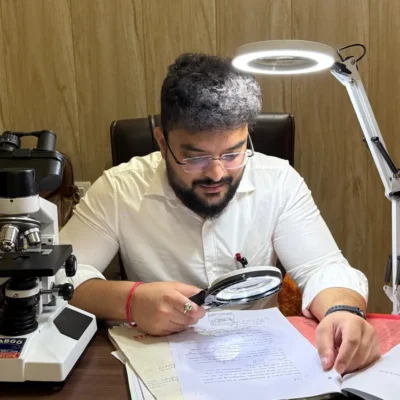
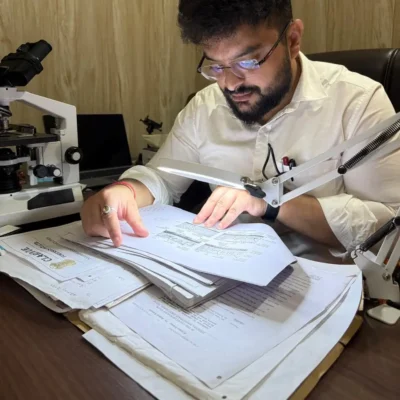
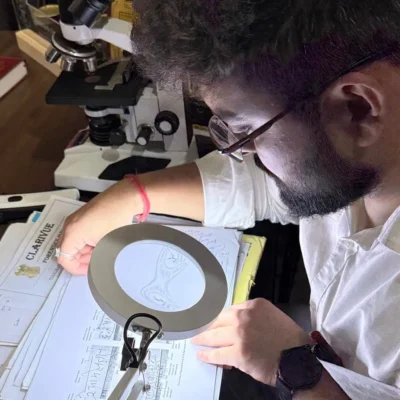
QUESTIONED DOCUMENT EXAMINATION IN CHANDIGARH, PUNJAB AND HARYANA
Questioned Documents Examination is a forensic process used to scientifically examine documents whose authenticity, authorship, alteration, or origin is in doubt. It helps identify signs of forgery, manipulation, alteration, or other irregularities in documents that may have legal, financial, or personal importance.
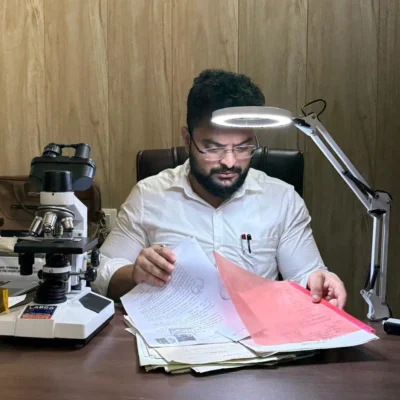
At Clarivue Forensics, questioned documents are examined using established forensic techniques to assess handwriting, signatures, alterations, ink, printing characteristics, erasures, additions, and other relevant features. The examination is conducted objectively and systematically to help determine whether a document is genuine, altered, or potentially forged.
Our examination findings are presented in clear and detailed forensic reports, providing useful technical assistance to individuals, advocates, organizations, and investigative authorities in matters involving disputed or suspicious documents.
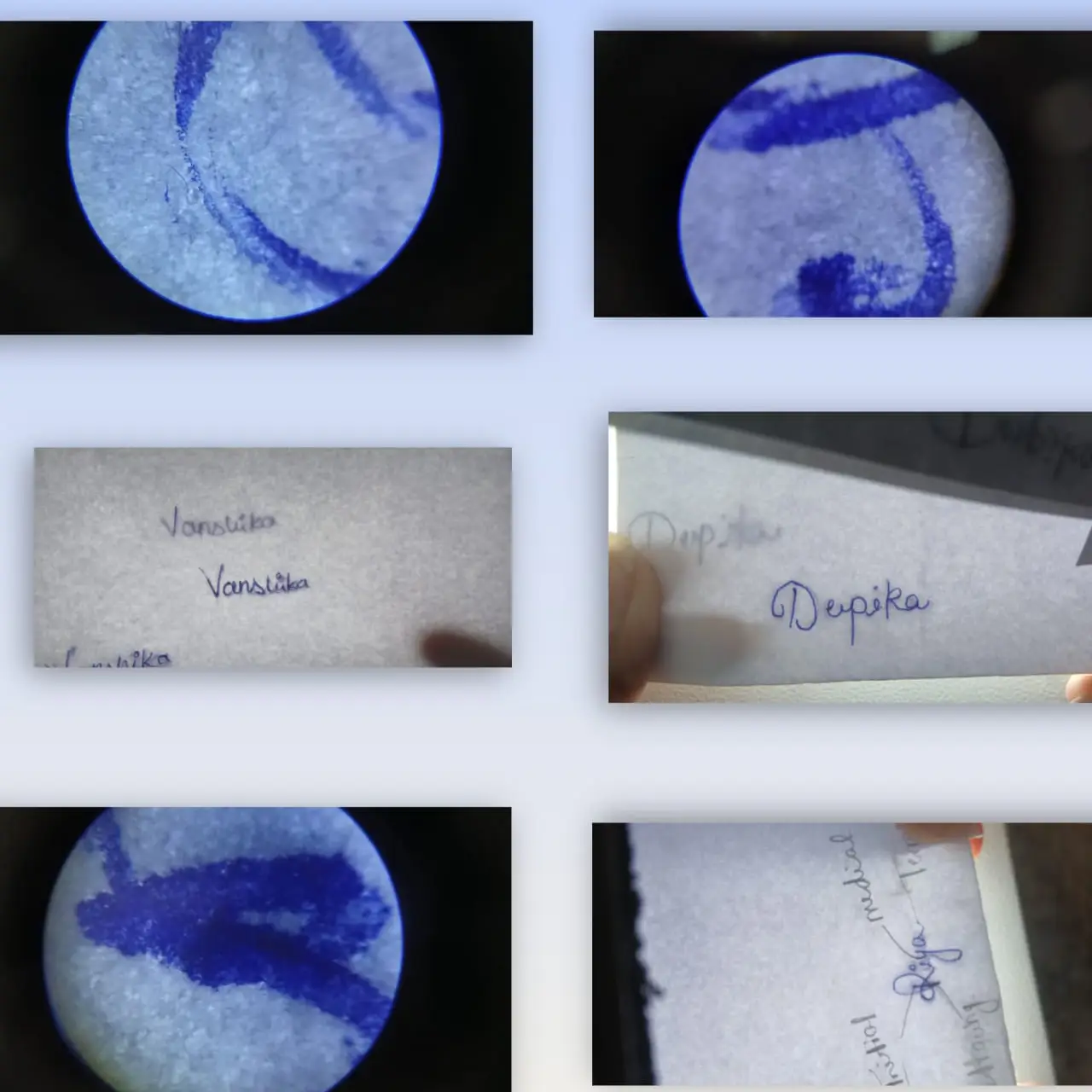
Handwriting examination is a forensic used to assess whether questioned handwriting or a signature was written by a particular person. At Clarivue Forensics, we compare disputed writing with authenticated samples to identify significant similarities, differences, and individual writing characteristics.
2
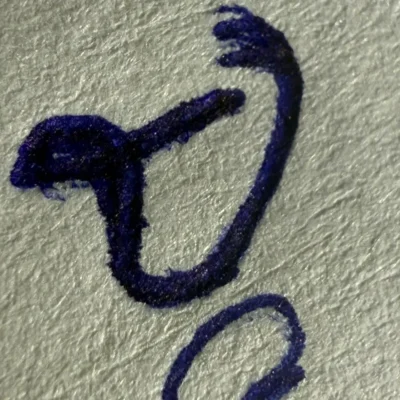
Signature verification is the forensic examination of disputed signatures to assess their authenticity and detect signs of forgery. Genuine and questioned signatures are compared based on stroke patterns, pressure, slant, proportions, line quality, and pen movement to identify traced, simulated, copied, or altered signatures.
3
Document authenticity examination involves the forensic assessment of a document to identify signs of fabrication, alteration, tampering, or manipulation. Relevant features such as writing, printing, ink, erasures, additions, and other document characteristics are examined to help determine its authenticity.
4
Alteration and tampering examination is used to detect unauthorized changes or manipulation in documents. Examination may identify erasures, overwriting, additions, substitutions, obliterations, or other modifications that can affect the authenticity and integrity of a document.
5
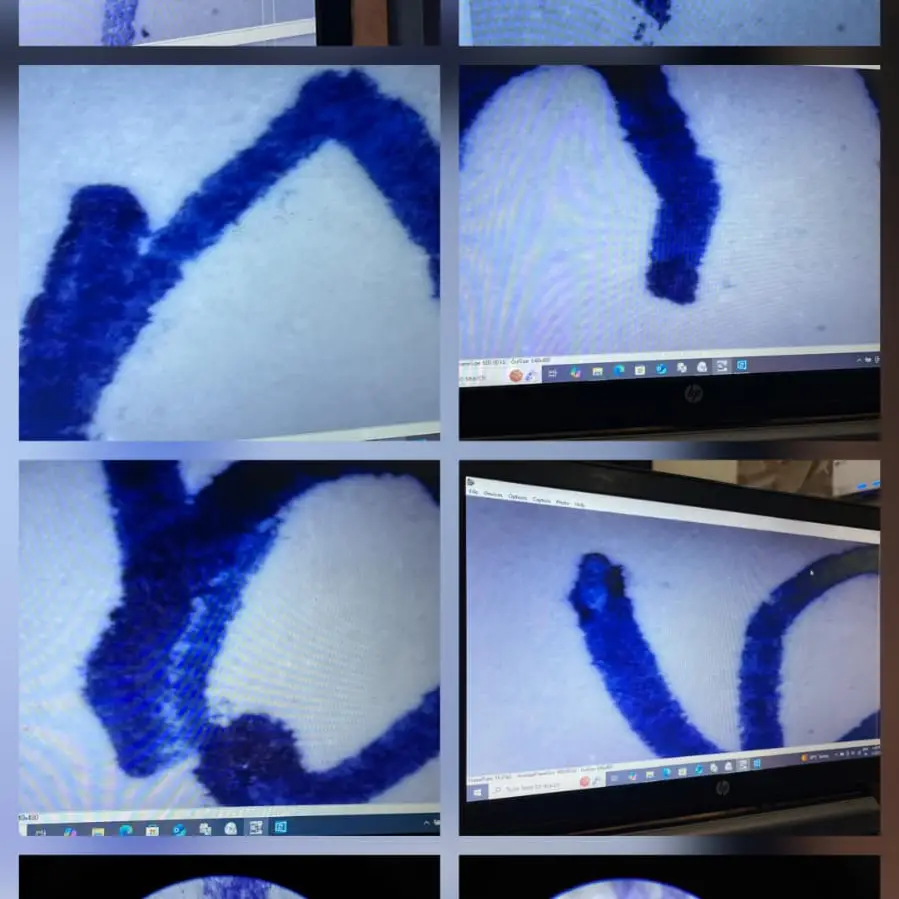
Ink examination involves the forensic comparison of ink entries to identify differences, similarities, or signs of alteration. It may assist in examining disputed entries, additions, overwriting, and suspected document manipulation, where scientifically feasible.
6
Erasure and obliteration examination is used to detect removed, concealed, or obscured information in documents. It may identify signs of physical or chemical erasure, overwriting, covering, or other methods used to hide original writing or entries.
7
Indented writing examination is used to detect impressions left by writing on underlying pages or surfaces. Forensic techniques may help reveal and examine these impressions, supporting the recovery and interpretation of otherwise invisible or faint writing.
8
Printed and typed document examination assesses documents for printing inconsistencies, alterations, additions, and other signs of manipulation. Features such as printing methods, type characteristics, text alignment, and document composition may be examined to help assess authenticity.
9
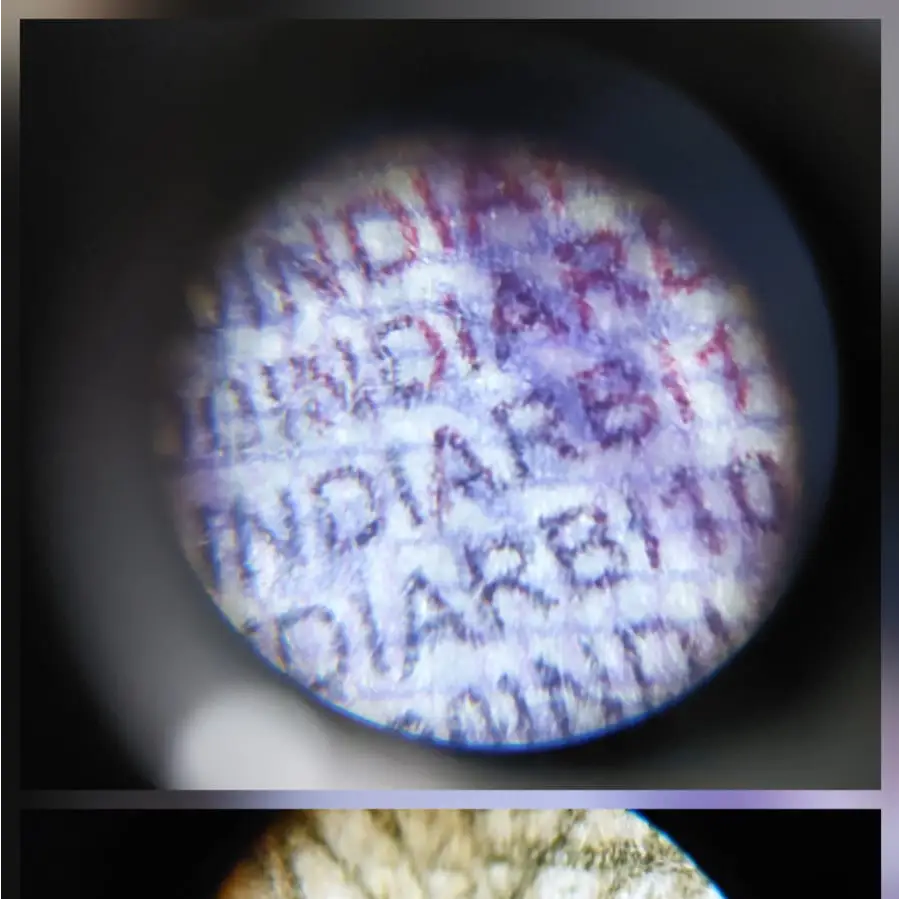
Stamp and seal examination involves the forensic assessment of stamps, seals, and their impressions to identify signs of forgery, alteration, or unauthorized use. Impressions are compared with genuine references to assess their authenticity and consistency.
10
Document alteration and sequence examination helps identify changes, additions, overwriting, and modifications in a document. Where scientifically feasible, the examination may also assess the sequence of writing, printing, or alterations to help understand how and when different entries were made.
11
Anonymous and threatening document examination involves the forensic analysis of unidentified letters, notes, or writings to assess handwriting characteristics and possible authorship. Questioned writings may be compared with known samples to identify significant similarities or differences.
12
Disguised handwriting examination assesses writing that may have been deliberately altered to conceal the writer’s identity. The writing is examined for underlying characteristics and compared with known samples to identify significant similarities and differences.
13
Tracing and simulation examination is used to assess suspected traced, copied, or simulated handwriting and signatures. The writing is examined for features such as stroke movement, line quality, hesitation, and other characteristics that may indicate an attempt to reproduce another person’s writing.
14
Tracing and simulation examination assesses suspected traced, copied, or simulated handwriting and signatures. The examination focuses on stroke movement, line quality, pen lifts, hesitation, and other writing characteristics to identify signs of reproduction or forgery.
15
Comparative document examination involves comparing questioned documents with genuine reference documents to identify similarities, differences, and signs of alteration or forgery. Relevant features of handwriting, signatures, printing, ink, and document characteristics may be assessed to support an objective forensic opinion.
16
Forensic document findings are presented in clear, structured, and professionally, prepared reports based on the examination conducted. Expert opinions may assist clients, legal professionals, organizations, and investigating authorities in understanding document-related findings for legal and investigative purposes.
Business agreements,
Company records,
Letters,
Office documents,
Employment records,
Purchase documents,
Internal correspondence
Certificates,
Mark sheets,
Applications,
Identity-related documents,
Official correspondence,
Other institutional records
Personal letters
Notes
Diaries
Handwritten statements
Signed declarations
Other disputed personal records
ServiceFAQ
What is a questioned document?
A questioned document is a document whose authenticity, authorship, alteration, preparation, or other characteristics are disputed or require forensic examination.
What documents can be examined?
Questioned document examination may involve handwritten, typed, printed, photocopied, scanned, and computer-generated documents, depending on the specific forensic question and available evidence.
Can you examine a disputed signature?
Yes. Signature examination is one of the common areas of questioned document examination. Suitable known signatures are generally important for meaningful comparison.
Can you determine whether a signature is forged?
A forensic examiner can examine questioned and known signatures and provide an opinion based on the observed characteristics and available evidence. The strength and scope of the opinion depend on the quality and quantity of the material available for examination.
Can an altered document be examined?
Yes. Depending on the document's condition, examination may address suspected erasures, additions, overwriting, insertions, deletions, or other alterations.
Can photocopies or scanned documents be examined?
They may be examined in some circumstances, but the scope of examination can be more limited than examination of an original document. The examiner must evaluate whether the available reproduction contains sufficient information for the requested examination.
Do you need the original document?
Where possible, an original document is preferred because it may contain forensic characteristics that are not visible in copies or digital reproductions.t the Various stages of life.