Need Help? Book Appoinment
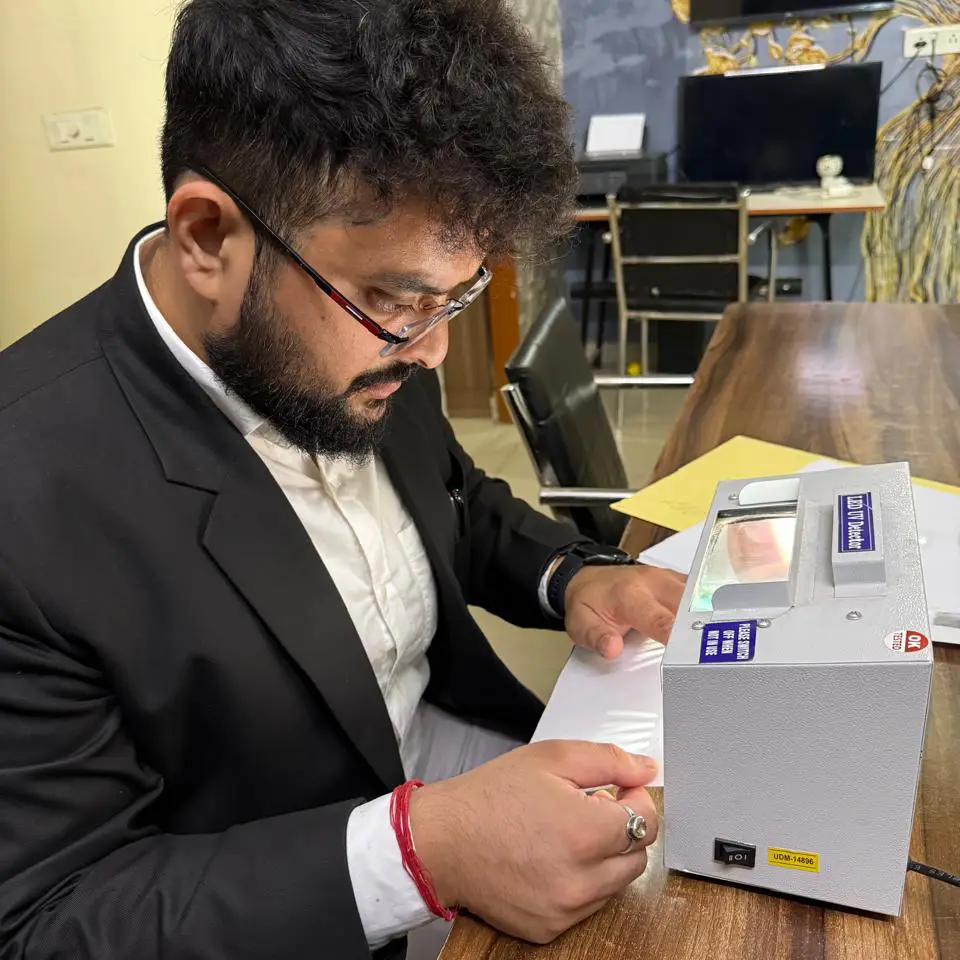
Fingerprint development and examination is an important forensic technique used to detect, develop, preserve, and analyze latent fingerprints that may not be visible to the naked eye. Since fingerprint patterns are highly individual, properly developed fingerprint evidence can assist in establishing an association between a person, an object, or a particular location.
Fingerprint evidence can be relevant in both criminal and civil matters. It may be encountered on property documents, wills, bank-related documents, affidavits, doors, handles, tools, weapons, and other objects or surfaces, including cases involving suspected theft.
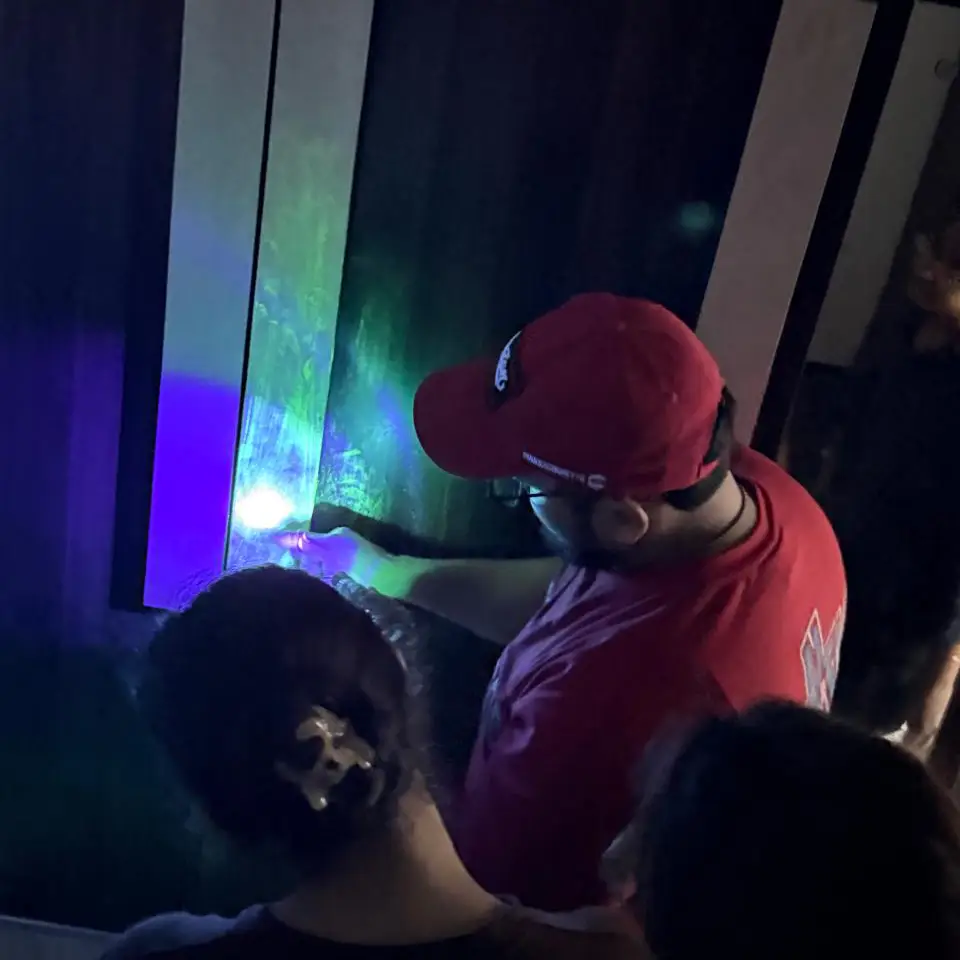
Fingerprint that are not immediately visible are generally referred to as latent fingerprints. Their development may require suitable optical, physical, or chemical techniques depending on the nature and condition of the surface on which the print is present.
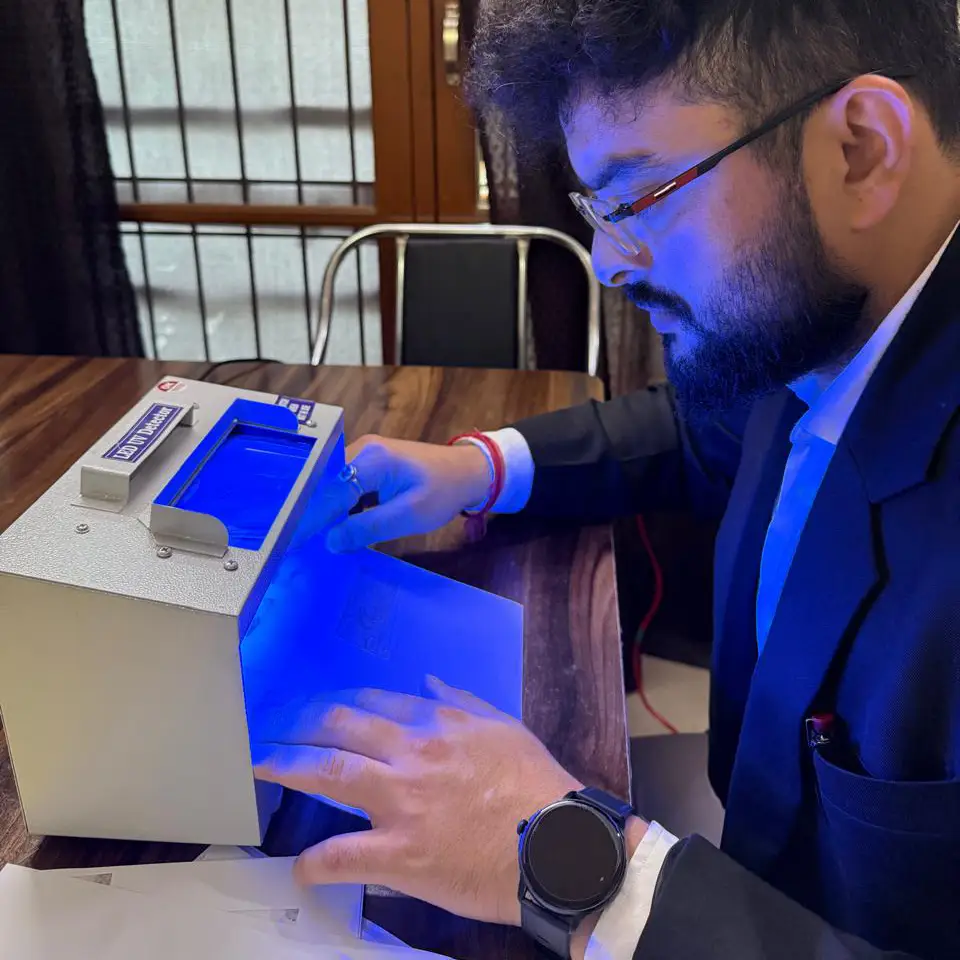
A systematic examination of the surface is important when recovering latent fingerprints. Where appropriate, non-destructive optical methods may be considered before physical or chemical techniques. Selecting suitable methods according to the surface and condition of the evidence can help improve the recovery and preservation of usable fingerprint impressions.
The primary objective of fingerprint development is to make latent impressions sufficiently visible for documentation, preservation, examination, and comparison with known fingerprint samples. Properly recovered impression can provide valuable forensic information during investigations and evidence

Latent fingerprint detection involves locating fingerprint impressions that are not readily visible to the naked eye. Suitable forensic techniques are selected according to the surface, condition, and nature of the evidence to identify potential fingerprint impressions for further development, documentation, preservation, and examination.
Fingerprint development involves making latent fingerprint impressions visible for further examination and comparison. Suitable optical, physical, or chemical techniques are selected based on the type and condition of the surface.
Fingerprint examination involves the systematic assessment of developed impressions to evaluate ridge patterns, characteristics, clarity, and suitability for comparison. Questioned fingerprints may be compared with known samples to determine whether they show sufficient agreement for an identification or exclusion conclusion, subject to the quality of the available evidence.
Fingerprint identification and comparison involves comparing questioned impressions with known fingerprints to assess ridge patterns and individual characteristics. The examination helps determine whether the available fingerprint evidence supports an identification, exclusion, or inconclusive finding.
Fingerprint evidence documentation involves recording, photographing, and preserving developed fingerprint impressions with relevant case details. Proper documentation helps maintain the integrity and traceability of the evidence for examination, comparison, and reporting.
Fingerprint recovery from documents involves examining paper and other document surfaces for potential latent impressions. Suitable methods are used to develop, document, and preserve usable fingerprint detail.
Fingerprint examination of bank and financial documents involves assessing relevant surfaces for latent impressions. Developed prints may be documented and compared with known samples where suitable.
Doors, handles, and similar surfaces may retain latent fingerprint impressions. Examination focuses on detecting, developing, documenting, and preserving suitable ridge detail.
Tools and objects can be examined for latent fingerprint impressions that may assist in establishing a possible association. Suitable impressions are documented and assessed for comparison.
Fingerprint evidence in theft and property-related cases may help assess possible contact with objects, documents, or locations. Available impressions are examined, documented and compared where suitable.
Fingerprint examination can be conducted on different surfaces depending on their type, texture, condition, and porosity. Appropriate methods are selected to detect and preserve usable impressions.
Latent fingerprint preservation involves carefully documenting and maintaining developed impressions for further examination and comparison. Proper handling helps protect the integrity of the fingerprint evidence.
Fingerprint evidence assessment involves evaluating the quality, clarity, and suitability of available impressions for forensic examination. Limitations affecting the examination are also considered.
Crime scene fingerprint examination involves locating and assessing potential latent impressions at relevant areas or objects. Suitable impressions are documented and preserved for further forensic examination.
A forensic fingerprint report presents the examination process, observations, comparison findings, and relevant limitations in a clear and structured manner. It provides documented findings based on the available fingerprint evidence.
CLARIVUE FORENSICS Pvt. Ltd. offers professional forensic fingerprint examination and analysis services. We use established scientific methods to examine, compare, and interpret fingerprint evidence.
Fingerprints are an important type of forensic identification evidence because the patterns on the ridges of fingers are unique to each person.
Our forensic work involves carefully looking at latent, visible, and known fingerprints and comparing them with other impressions.
Our services help law enforcement agencies, legal professionals, investigators, organizations, and private clients with matters related to fingerprint identification and forensic evidence.
Our team applies specialized knowledge and practical experience to the development, lifting and analysis of fingerprint evidence.
Fingerprints are examined using appropriate forensic methods and analytical techniques to identify relevant characteristics of fingerprint patterns and their individual characteristics.
Every examination is tailored to the nature of the evidence and the specific questions involved in the case, ensuring that the analysis remains relevant and focused.
Our findings are presented in structured forensic reports, clearly documenting the examination process, observations, results, and relevant limitations.
We give careful attention to the confidentiality and integrity of fingerprint evidence throughout the examination and documentation process.
Forensic fingerprint examination involves assessing fingerprint impressions to determine their quality, characteristics, and suitability for comparison.
Latent fingerprints are impressions that are not readily visible to the naked eye and may require suitable forensic methods for detection and development.
Yes. Documents and other surfaces may be examined for latent fingerprint impressions, depending on their condition and suitability.
Yes. Relevant impressions and examination observations should be properly documented to maintain an appropriate record of the examination.
Where suitable, developed impressions can be documented and preserved for subsequent examination and comparison.
Yes. A suitable questioned fingerprint may be compared with a known fingerprint to assess corresponding ridge characteristics and reach an appropriate conclusion.
Partial, distorted, or unclear impressions may have limited value. The examiner first assesses whether sufficient ridge detail is available for meaningful comparison.
Yes. Different surfaces may require different detection or development approaches depending on their type, texture, condition, and other characteristics
Surface characteristics, environmental exposure, handling, distortion, smudging, and the amount of available ridge detail can affect the suitability of an impression for examination.
A structured report can document the examination, observations, comparison findings, and relevant limitations based on the available evidence.
Latent Fingerprint Detection
Fingerprint Examination
Fingerprint Evidence Documentation
Thumb Impression Examination
Crime Scene Fingerprint Examination
Partial and Smudged Fingerprint Examination
Fingerprint Evidence Preservation
Forensic Fingerprint Report
Fingerprint Development
Fingerprint Identification and Comparison
Fingerprint Recovery from Documents
Fingerprint Examination from Various Surfaces
Fingerprint Examination on Legal and Financial Documents
Fingerprint Evidence Assessment
Fingerprint Comparison and Verification
Chandigarh & Tricity
Chandigarh • Mohali • New Chandigarh • Zirakpur • Kharar • Panchkula
Punjab
Barnala • Bathinda • Faridkot • Fatehgarh Sahib • Fazilka • Ferozepur • Gurdaspur • Hoshiarpur • Jalandhar • Kapurthala • Ludhiana • Rupnagar • Mansa • Moga • Pathankot • Patiala • Sangrur • Nawanshahr • Sri Muktsar Sahib • Tarn Taran • Malerkotla
Haryana
Ambala City • Ambala Cantt • Panipat • Hisar • Sonipat • Karnal • Jind • Rohtak • Kurukshetra • Yamunanagar • Gurugram • Palwal • Faridabad • Nuh • Mahendragarh • Rewari • Fatehabad • Sirsa • Bhiwani • Charkhi Dadri • Jhajjar • Kaithal