

Can scientists Tell How Old a Fingerprint?
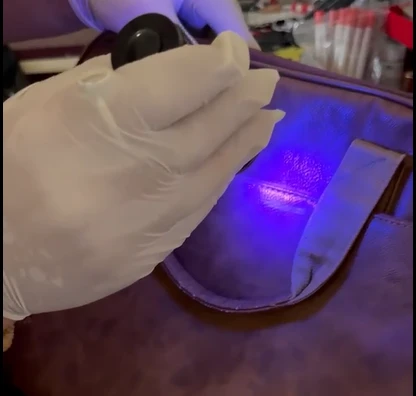
You’ve probably seen it a hundred times on crime shows: a detective dusts a doorknob, lifts a perfect print, and within minutes knows exactly when it was left. It makes for great TV. It’s also, mostly, fiction.
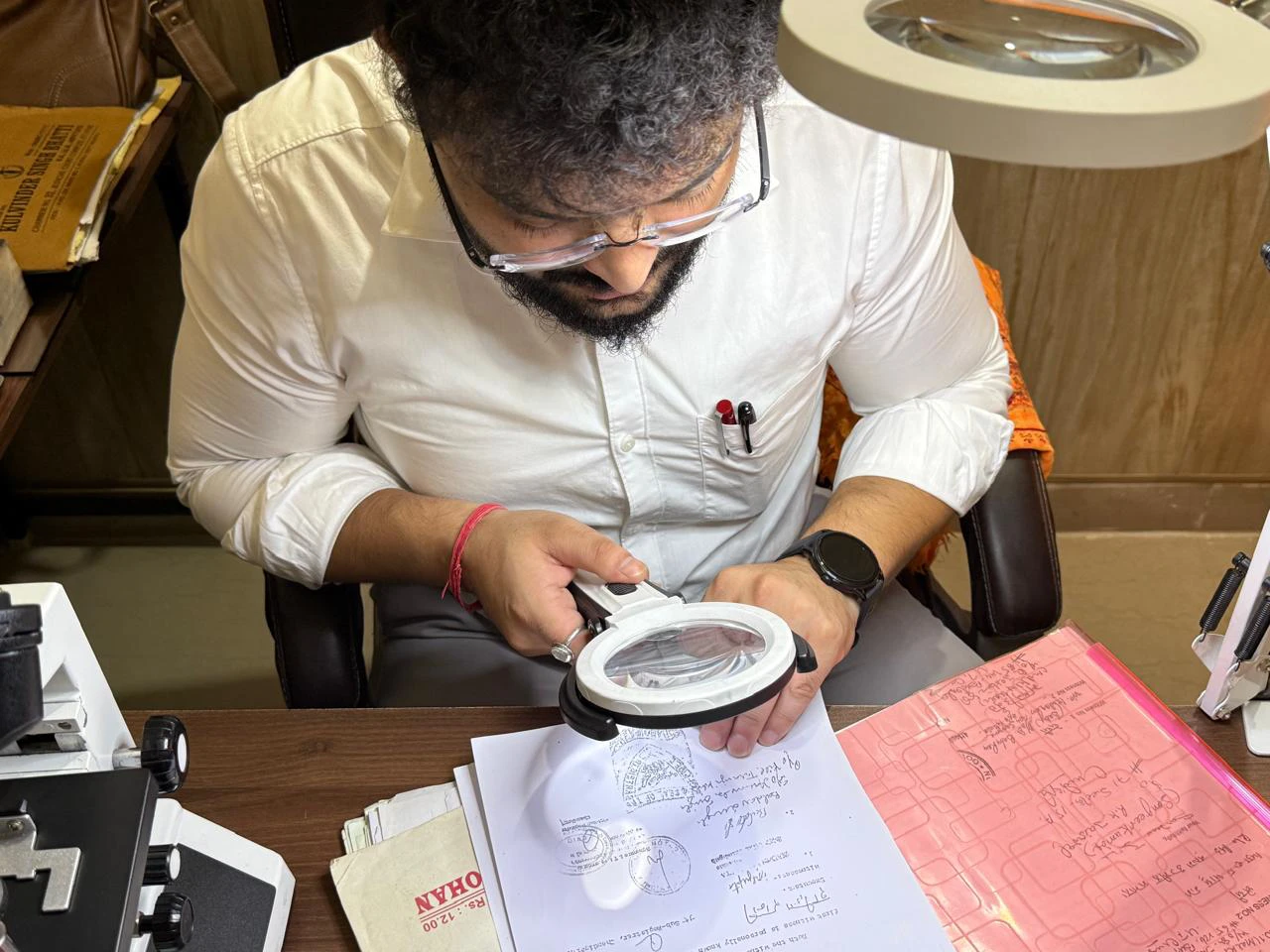
In real forensic labs, figuring out a fingerprint’s identity-whose finger made it – is a well-established science. Figuring out its age- how long ago it was left-is one of forensic science’s biggest unsolved puzzles. For decades, courts have leaned on examines to distinguish a “fresh” print from an “old” one, but the honest answer from most experts has traditionally been that no one put a precise number on it just by looking.
Why It’s So Hard
A fingerprint is really a chemical residue-sweat, oils, fatty acid, amino acid – left behind on a surface. How fast it breaks down depends on the person’s sex, body mass and other biological factors. On top of that, heat, humidity, sunlight, and the surface material all change the decay rare. There’s on fixed “clock” the way there is with carbon dating-It’s more like a puddle evaporating a speed that depends on the weather.
What Scientists Have Tried
Chemical migration: NIST researchers found that fatty acids like palmitic acid gradually migrate from a fingerprint’s ridges into the valley over time-similar to how a tire track in mud slowly blurs by measuring this migration, the proposed you could roughly estimate a print’s age.
Electrostatic decay:
University of Sussex team built a detector based on electrostatic charge and found that a print’s electrical activity steadily decays over two weeks. The catch is that different surface decays at different rates, so a large reference database would be needed first.
Machine learning:
A 2025 study combined mass spectrometry with AI to classify prints as “fresh” or “aged”. It reached about 83% accuracy separating prints a few days old from those over ten days old- notable given that no reliable method currently exists for real-world, uncontrolled conditions.
The Legal Angle
This isn’t just a lab curiosity-it shows up in real courtrooms. in legal cases defence arguments have relied on the face that fingerprints experts couldn’t scientifically pin down when a print was left, with one expert testifying they could only say a print looked “fresh or old” based on past experience, not give a precise time element like minutes or seconds. Courts have also required something called a “control test” before an expert can even offer that rough opinion-placing a fresh set of print on a similar condition to compare against the print in question.
This is exactly why the newer chemical, electrostatic, and AI-based methods matter so much. If any of them mature into something reliable and repeatable, they could finally give prosecutors and defence attorneys a scientifically defensible number instead of a hunch.
So, Can They or Not?
Not with courtroom-level precision-not yet. Examiners have traditionally said they can’t determine a print’s age by examining it, at best offering a rough “fresh vs old” opinion without a scientific time estimate. But the direction is promising: as research continues, more reliable aging methods are expected to emerge, even though current techniques remain far from foolproof.
So next time a TV detective calls a print “six hours old” remember: real science is still catching up to fiction